
 |
| AND THE DAY BEFORE THEY WERE PLOWING THE FIELDS |
Since then, and particularly in recent decades, China has made leaps and bounds in hi-tech developments in space, aviation, quantum computing, and the internet, to name just a few.
In the past few years, China has consistently made the most patent applications in the world.
But China’s path to becoming a world leader in innovation is still an uphill battle.
As previously mentioned in this column, China’s manufacturing sector as a whole would need 30 years merely to catch up with the US.
Ahead, pitfalls abound.
First of all, China’s rigid education and compartmentalised management of scientific and technological research has made it difficult to groom world-class scientists to lead the innovation drive.
 Indeed, a number of key scientists behind China’s “two bombs, one satellite” project were educated and honed their skills in the United States.
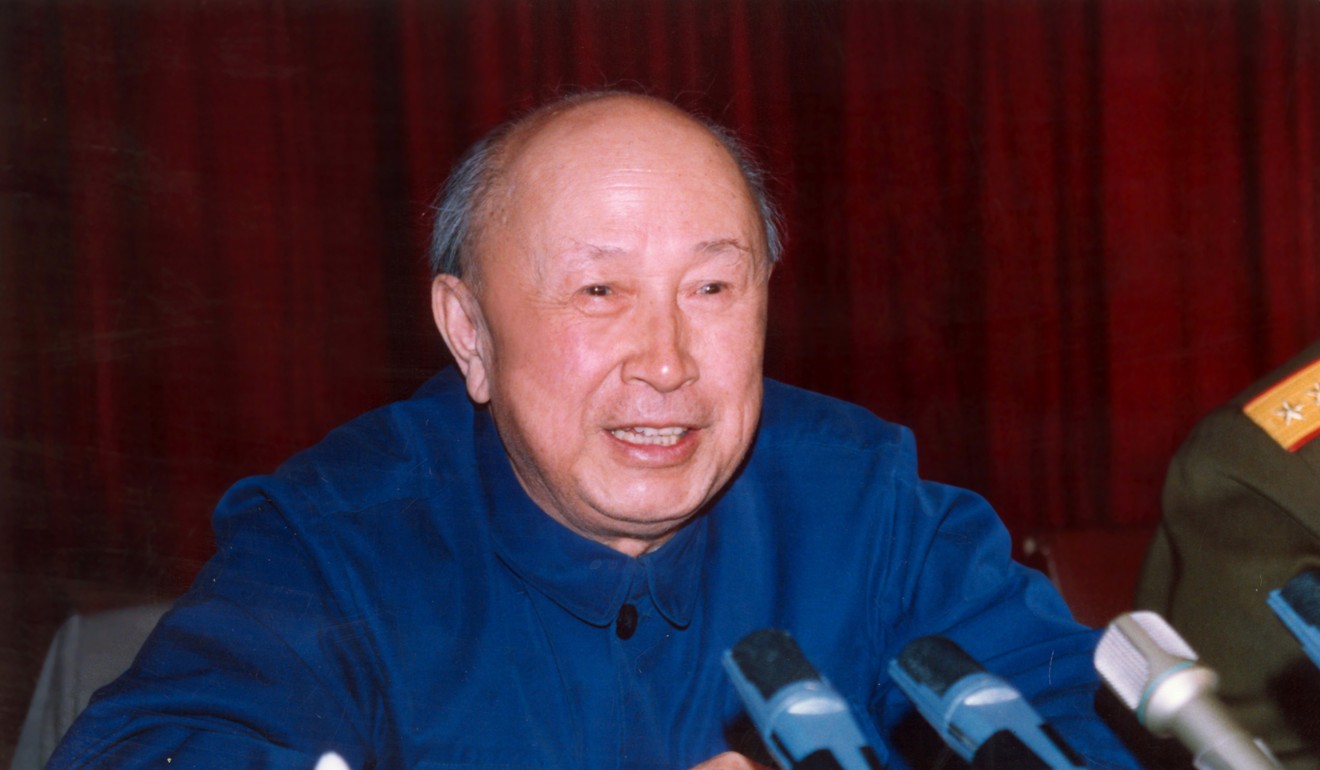 Qian Xuesen, the father of China’s space programme. Photo: Handout
Back in 2005, Qian Xuesen, known as the father of China’s space programme and educated at the Massachusetts Institute of Technology, posed this famous question to then premier Wen Jiabao: “why can’t our universities produce outstanding talent?”
After Qian’s question was made public, it triggered a national debate and prompted a series of education reforms but 13 years later the question remains highly relevant and the answer remains elusive.
Secondly, while the Chinese government can muster national resources to develop its ambitious space programme and build the world’s longest high-speed rail lines, private entrepreneurship is behind China’s booming internet industry and e-commerce, one of the economy’s brightest spots. China’s leading internet firms and many of the country’s major telecom companies are privately owned, including Tencent, Baidu, Huawei, and Alibaba, which owns the South China Morning Post.
Arguably, one major reason behind the flourishing of those juggernauts was that when they first started up, the government had basically left them alone most probably without realising their vast potential. That explains why the biggest shareholders of Tencent or Alibaba are overseas investors. Just imagine what China’s e-commerce would have been like had it been driven by government directives.
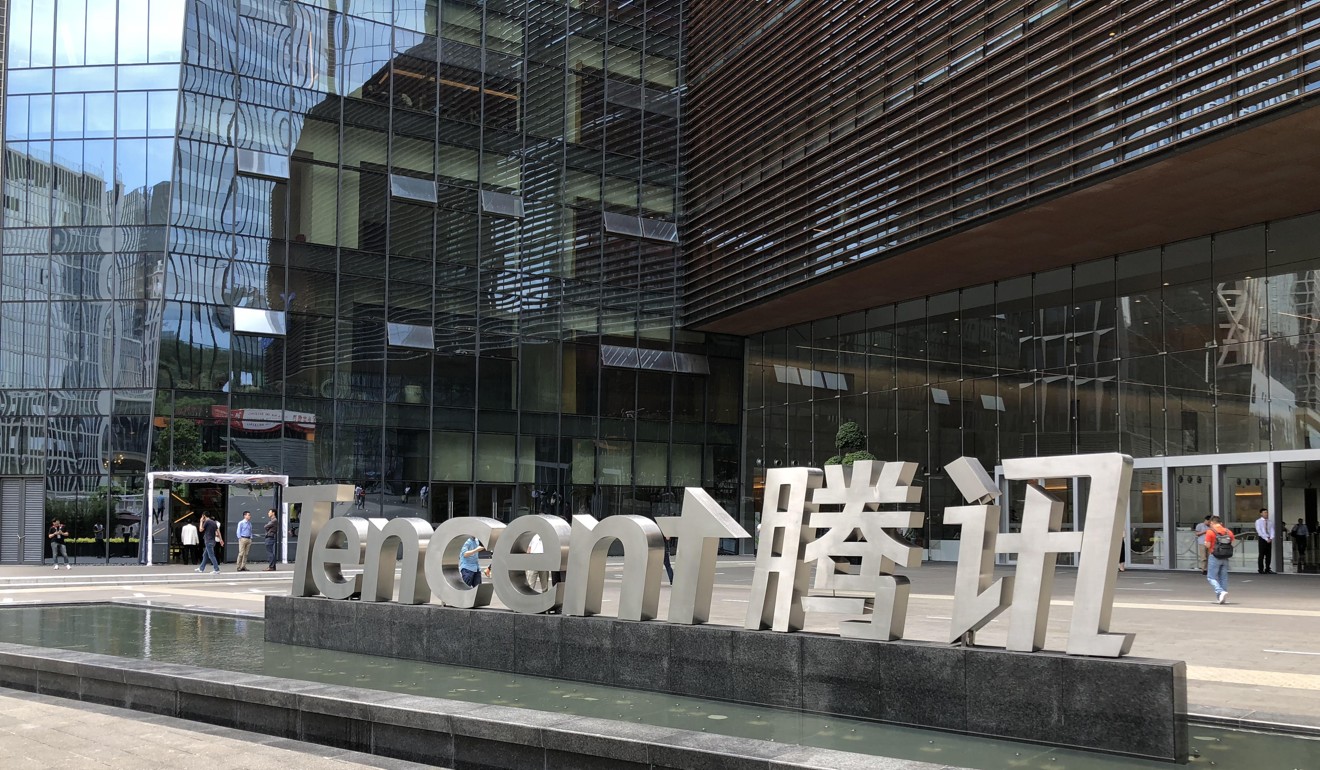 Arguably, one major reason behind the flourishing of Chinese juggernauts like Tencent was that when they first started up, the government left them alone.
Thirdly, with Xi’s rallying cry, not only the central government but local authorities at all levels are expected to ramp up spending of precious public resources on hi-tech developments. But scientific and technological innovation requires exploring the unknown, which can easily lead to high failure rates. This could mean a great waste of public resources which could have been better used on education and other public services with more measurable returns.
More importantly, for innovation to flourish, there needs to exist a culture where scientists are free of bureaucratic constraints and their minds free to challenge the norms and think the unthinkable.
Even Xi implored in his speech that scientists should not be bogged down in red tape, form filling and endless approvals.
Furthermore, at a time when the Communist Party is tightening its grip on all levels of society and guarding against overseas influences, it has become a daily nuisance for scientists to gain internet access to popular websites and search engines including Google for research purposes because they are blocked in China and VPN software is unstable.
Political rigidity has become a new obstacle against innovation.
In the past few years, China has consistently made the most patent applications in the world.
But China’s path to becoming a world leader in innovation is still an uphill battle.
As previously mentioned in this column, China’s manufacturing sector as a whole would need 30 years merely to catch up with the US.
Ahead, pitfalls abound.
First of all, China’s rigid education and compartmentalised management of scientific and technological research has made it difficult to groom world-class scientists to lead the innovation drive.
 Qian Xuesen, the father of China’s space programme. Photo: Handout
Back in 2005, Qian Xuesen, known as the father of China’s space programme and educated at the Massachusetts Institute of Technology, posed this famous question to then premier Wen Jiabao: “why can’t our universities produce outstanding talent?”
After Qian’s question was made public, it triggered a national debate and prompted a series of education reforms but 13 years later the question remains highly relevant and the answer remains elusive.
Secondly, while the Chinese government can muster national resources to develop its ambitious space programme and build the world’s longest high-speed rail lines, private entrepreneurship is behind China’s booming internet industry and e-commerce, one of the economy’s brightest spots. China’s leading internet firms and many of the country’s major telecom companies are privately owned, including Tencent, Baidu, Huawei, and Alibaba, which owns the South China Morning Post.
Arguably, one major reason behind the flourishing of those juggernauts was that when they first started up, the government had basically left them alone most probably without realising their vast potential. That explains why the biggest shareholders of Tencent or Alibaba are overseas investors. Just imagine what China’s e-commerce would have been like had it been driven by government directives.
Arguably, one major reason behind the flourishing of Chinese juggernauts like Tencent was that when they first started up, the government left them alone.Thirdly, with Xi’s rallying cry, not only the central government but local authorities at all levels are expected to ramp up spending of precious public resources on hi-tech developments. But scientific and technological innovation requires exploring the unknown, which can easily lead to high failure rates. This could mean a great waste of public resources which could have been better used on education and other public services with more measurable returns.
More importantly, for innovation to flourish, there needs to exist a culture where scientists are free of bureaucratic constraints and their minds free to challenge the norms and think the unthinkable.
Even Xi implored in his speech that scientists should not be bogged down in red tape, form filling and endless approvals.
Furthermore, at a time when the Communist Party is tightening its grip on all levels of society and guarding against overseas influences, it has become a daily nuisance for scientists to gain internet access to popular websites and search engines including Google for research purposes because they are blocked in China and VPN software is unstable.
Political rigidity has become a new obstacle against innovation.
